
Food companies are also reliant on reliable materials that keep food clean and prevent external interaction with food. The direct impact of packaging is the perception of the quality and reliability of the product by the customers. Numerous restaurants, cafes, and food sellers specialize in resources that will suit their day-to-day handling needs. Companies that take huge amounts of orders tend to use reliable supply chains provided by wholesale food paper, so that the demand will not be interrupted. The packaging materials should be able to withstand heat, moisture, and movement without deterioration. Dependable solutions enable employees to be fast and consistent in service. Sturdy materials promote efficient manipulation across the counters, kitchens, and delivery locations where uniformity is significant.
Material Quality
The ability of food to survive storage and service is dependent on the packaging strength. Food contact paper should be able to withstand pressure and variations in temperature. Secure packaging facilitates secure handling and retention of items until the customer receives them. Companies tend to insist on custom products like custom-printed food paper to suit performance and branding criteria. The thickness and the surface coating of paper make a significant contribution to moisture resistance. Durable materials used in food operations minimise waste of products due to tearing or leakage. A good paper can be used many times; it stays in the same state even during working hours when it is busy.
Packaging Strength
Durability is considered when the packaging goes through several handling steps before customers. Products frequently travel between kitchen counters and delivery sites and into the hands of the customers in a short duration. Paper that maintains its shape decreases the possibility of spills or unintended exposure. Most facilities incorporate aids such as custom printed food paper to enhance carrying and decrease the pressure of handling on a single package. The strength of the paper determines the effectiveness of products in maintaining their presentation. The materials are weak and could fall due to the weight or with the moisture, and this impacts the satisfaction of the customer. Paper solutions that are reliable preserve the accuracy of orders and the safe delivery of prepared meals.
Surface Protection
Food handling environments are always faced with challenges of grease and moisture exposure. Protective surfaces do not allow oil to penetrate packaging and come into contact with the external surfaces. The protective layers on paper can be used to minimize stains and undesirable mess. Reliable materials that are used to ensure that items are secured and also keep the handling conditions clean are common among businesses, such as food paper wrap. Surface protection helps in maintaining hygiene and ensuring counters and serving areas are clean. The long-life coatings are used to minimize the waste caused by premature damage. Heat and moisture handling materials are consistent in their performance in all day-to-day operations where speed and accuracy are still paramount.
Portion Handling
Handling of portions under control enhances efficiency in the preparation and serving phases. Employees rely on resources that would enable them to move swiftly without delaying services. Separating food portions with paper helps to keep them lean and minimize direct contact. Durable materials like food paper sheets can help in sorting out the food when preparing and serving. Regular sheet size will help in accelerating workflow since employees do not have to reposition materials over and over. Properly fitting paper helps in eliminating unnecessary wastage of paper and also helps in maintaining well-organized packaging areas. Familiar operations enhance efficiency in kitchens that have regular orders from customers during the day.
Brand Identity
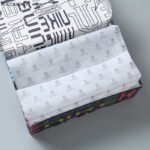
The visual presentation has an effect on customer trust and memory. Packaging can be the initial physical contact between a brand and the consumer. Paper, which has familiar elements, allows uniform brand recognition in various locations. A lot of companies rely on printed food paper to write names/patterns/service messages on the packaging surfaces. Printed designs allow businesses to be distinguished without having disparity among products. The customers relate reliability and professionalism to regular presentations. Graphical identity is a robust aspect in promoting repeat buying since clients recollect packaging that communicates well-organized service and reliable quality.
Cost Efficiency
Financial planning is based on price-performance balanced materials. Companies want to control the costs of packaging, but not compromise reliability. Solutions on paper that facilitate the use over a long period of time are used to minimize the frequency of replacement. Numerous processes are based on purchasing in bulk, like food paper wholesale, to ensure a constant supply and regulate spending patterns. When materials perform as expected, cost management would be simpler. Less wastage helps in saving on operational budgets. Dependable supply systems can assist companies to avoid losses due to shortages. Stable buying practices enable food businesses to concentrate on service and not the sourcing problems.
Usage Flexibility
Various food items need packaging that is adjustable to different shapes and temperatures. A variety of paper choices accommodate hot and cold food-handling needs. Companies will gain advantages of having materials that can be used in various menu items without the need to have different packaging systems. Flexible materials will enable employees to transition to the preparation activities without any disruption. Flexible paper has a structure despite being folded or curled into irregular shapes. Custom printed paper credible performance in various conditions promotes effective service. Multipurpose packaging saves the complexity of storage space. The simplified choice of materials also enhances organization and helps to prepare the material faster in case of a high load.
Conclusion
Quality packaging materials are used to sustain day-to-day activities in contemporary food settings. High-quality paper will be in order, preserve contents, and be in good handling conditions during service periods. Regular supply also assists companies in having regular working processes without interruptions. The attractive materials enhance the presentation and functionality, which improves customer trust. Stress-resistant paper helps minimize waste and ensures products are of good quality. Companies that choose high-quality materials develop an easier preparation schedule and well-structured working areas. Quality packaging enhances the stability of the operation process and enhances consumer satisfaction due to safe transportation. The adequate choice of materials helps in long-term efficiency and balancing constant growth in regard to the fluctuating needs of service.


No comment yet, add your voice below!